Sports & Exercise Medicine & Health
ECSS-Technogym Webinar: The role of muscle mass for metabolic health: Practical implications for training and nutrition
25.11.2025, 15:00 CET
Skeletal muscle is not only essential for movement and strength but also plays a critical role in regulating metabolic health. This webinar will explore the science behind muscle mass as a key modulator of glucose metabolism, insulin sensitivity and overall energy balance. We will examine how resistance training and targeted nutritional strategies can support muscle development and maintenance, with practical guidance on exercise and nutrition for optimising metabolic outcomes across various populations. The webinar will provide evidence-based insights and actionable takeaways to enhance health and performance through muscle-focused interventions.
Chaired by
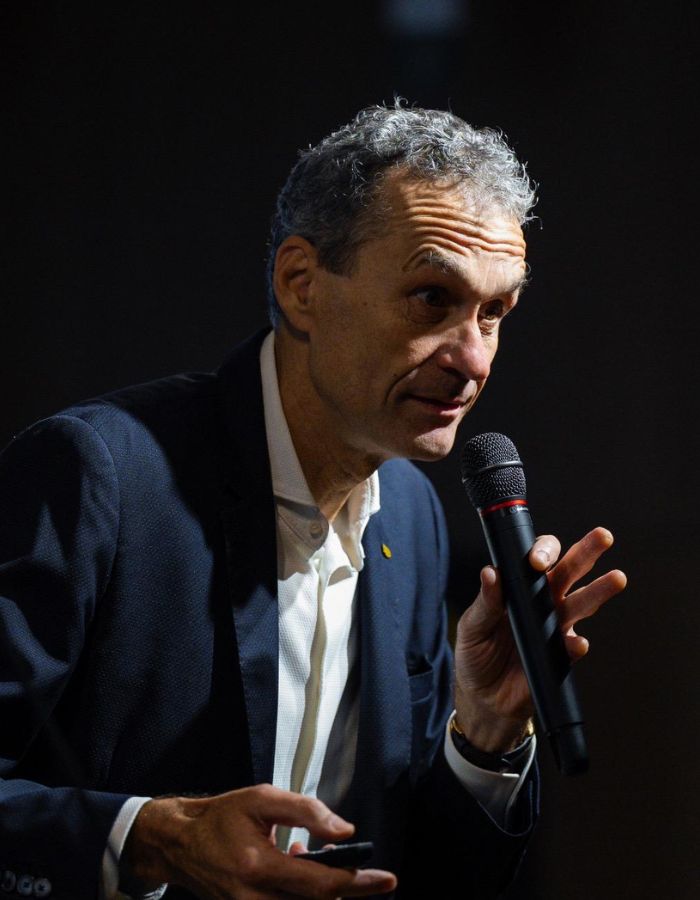
Silvano Zanuso, PhD
Director of Technogym’s Medical & Scientific Department
Cesena, Italy

Truls Raastad, Prof
Norwegian School of Sport Science
Oslo, Norway
Speakers
 Anna Krook, Prof
Karolinska Institute
Solna, Sweden
"Role of skeletal muscle in metabolism"
Skeletal muscle is central to metabolic health through its control of glucose uptake, energy use and systemic signalling. I will discuss recent data on molecular alterations in skeletal muscle that affect muscle mass and quality as well as insulin sensitivity, lipid handling and systemic signalling in the context of type 2 diabetes. I will also discuss how exercise impacts these processes.
 Freerk Baumann, Prof
University Hospital Cologne
Cologne, Germany
"Exercise & Cancer: From Bedside to Bench Press?"
Resistance training is a key evidence-based component of supportive care for oncology patients, both during active medical treatment and in survivorship. Research consistently shows that targeted exercise interventions reduce treatment-related side effects, preserve muscle mass and function, and improve quality of life. This presentation summarizes the effectiveness of structured movement-based therapies in oncology and outlines their essential role within multidisciplinary care. A further focus is the integration of these interventions into the German healthcare system. This includes current contracts with statutory health insurance funds and existing reimbursement pathways, which increasingly enable access to exercise therapy.
 Claudia Venturini, MD, PhD
Medical Doctor; Specialised in Clinical Nutrition, Food Science and Dietetics
"Tailored Nutrition and Resistance Training to Preserve Muscle Mass in Patients Treated with GLP-1 Receptor Agonists"
GLP-1 receptor agonists and dual GLP-1/GIP agonists produce average weight loss of 15–20% in large RCTs, but body-composition analyses consistently show that 25–40% of this reduction can derive from lean mass, raising concerns regarding sarcopenia, reduced basal metabolic rate, and impaired physical function. This presentation will examine clinical strategies to mitigate these effects through a muscle-centric approach. Nutritional interventions include setting protein intake at 1.2–1.6 g/kg/day with optimal per-meal distribution and considering very-low-calorie ketogenic diets (VLCKD), which in pilot studies appear more effective than standard VLCD in limiting lean-mass loss, with emerging evidence of synergy when combined with GLP-1 therapy. Adjunctive supplementation with omega-3 fatty acids (EPA/DHA), medium-chain triglycerides (MCT), exogenous ketones and creatine will be critically evaluated. Exercise prescriptions emphasise progressive resistance training alongside aerobic conditioning. Clinical monitoring should integrate DXA (or BIA) body composition, functional performance tests (handgrip, sit-to-stand, gait speed) and strength progression metrics, enabling a precise follow-up that prioritises skeletal muscle preservation while maximising metabolic benefits.