
Scientific Programme
Plenary Session
PS-PL01 - Responding to the physical inactivity pandemic: “just do it” or “do it right”?
Date: 08.07.2026, Time: 13:30 - 14:45, Session Room: Auditorium A (STCC)
Description
Insufficient physical activity is a global pandemic with enormous health and economic consequences for society. The World Health Organization (WHO) estimates that ~ 500 million people will develop diseases attributable to physical inactivity in the next ten years if urgent action is not undertaken to get more people moving. However, while the problem is clear, the most effective solutions to combat the pandemic of inactivity-related health problems continue to be hotly debated and will be the topic of this provocative plenary session that will appeal to most ECSS members. Dr Fiona Bull (Switzerland), leader of the WHO’s global work on physical inactivity, healthy eating and the prevention of obesity, and immediate past President of the International Society of Physical Activity, will present evidence in support of the need to “just do it”; that is, the greatest gains in population health will come from public-health interventions that persuade people to do more of any physical activity. Prof. David Bishop (Australia), past president of Exercise and Sports Science Australia (ESSA), will argue that while promoting any physical activity is important, greater health benefits will be obtained from specific, prescribed, “exercise as medicine” interventions; that is, it is more important to “do it right” than to “just do it”. This multi-disciplinary topic, by two leaders in their respective fields, will be of broad interest to all ECSS delegates interested in the health benefits.
Chair(s)
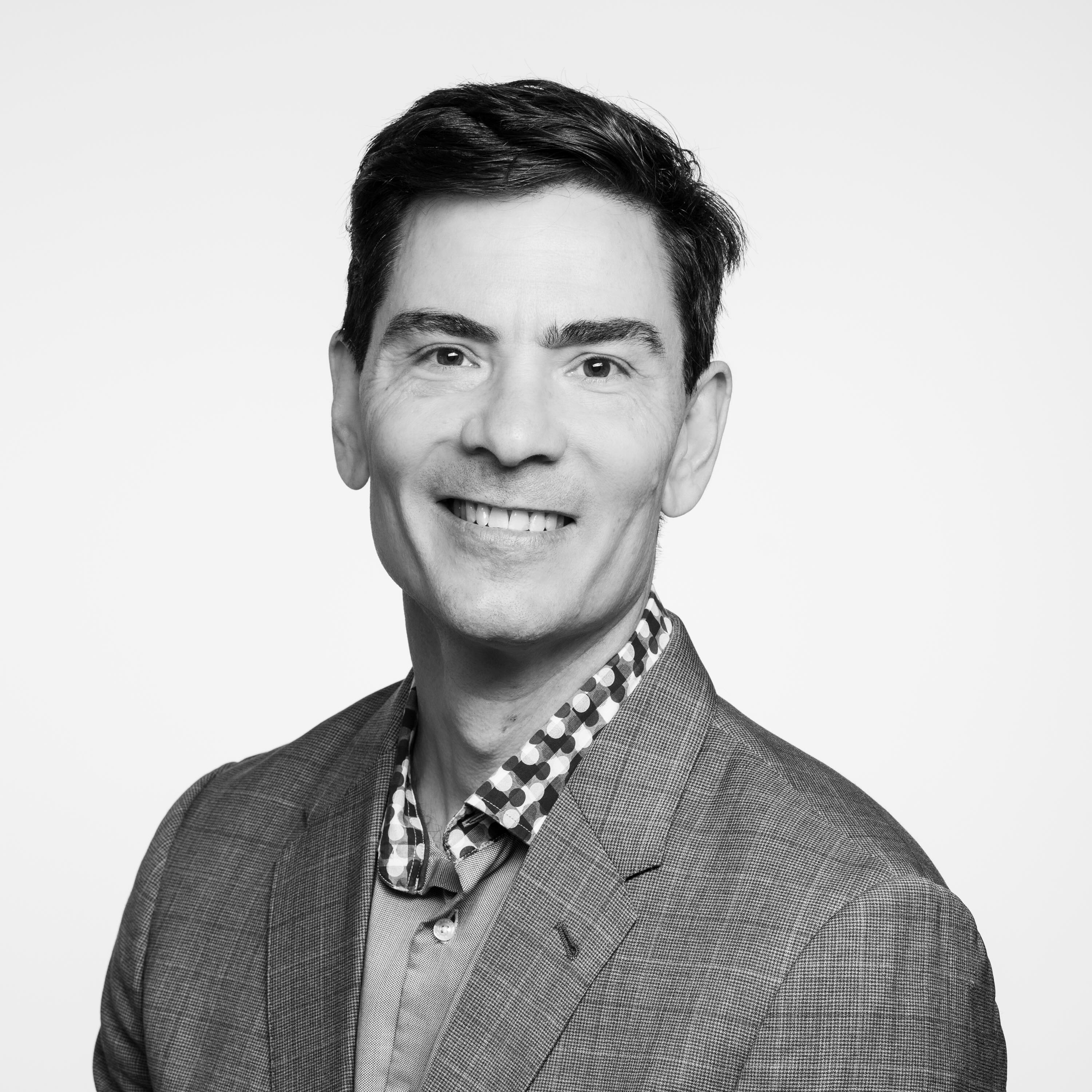
David Bishop
Victoria University, Institute for Health and Sport (IHES)
Australia

Kamiar Aminian
EPFL, IBI
Switzerland
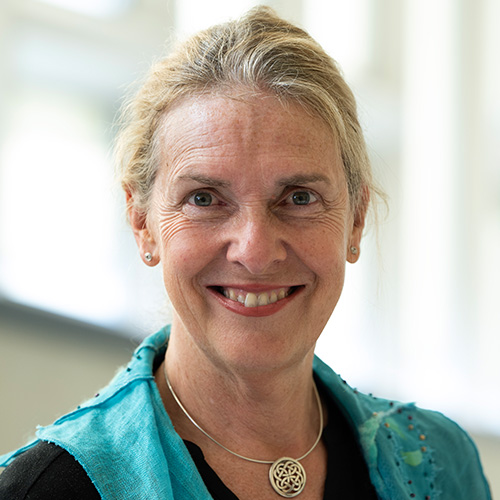
Speaker A
Fiona Bull
World Health Organization, Unit Head, Physical Activity Promotion
Switzerland
Read CVECSS Lausanne 2026: PS-PL01 [9482]
Just do it! We need low-cost, scalable, public-health interventions to change physical activity behaviour at a population/society level
For many decades, the epidemiological evidence has been clear: regular physical activity is associated with a reduced risk of many of the most prevalent non-communicable diseases in modern society. This includes cardiovascular disease, type 2 diabetes, obesity, hypertension, osteoporosis, some cancers, anxiety and depression, dementia and cognitive decline, chronic obstructive pulmonary disease (COPD), and musculoskeletal disorders. Many studies have demonstrated the potential for regular physical activity to favourably alter outcomes associated with these non-communicable diseases and elucidated clear or plausible physiological mechanisms underlying these health benefits. Despite this clear evidence, and a widespread knowledge of the need to be active, a significant proportion of adults remain insufficiently active to maintain good health. Dr Bull will argue that such a large-scale crisis can only be solved by low-cost, scalable, public-health interventions that have the potential to change physical activity behaviour at a population/society level. These population-level public health interventions must recognise that physical activity behaviour is complex and influenced by a wide range of interconnected factors. Dr Bull will also present the latest evidence highlighting that focusing resources on individually prescribed exercise interventions has proven largely ineffective in changing physical activity habits and improving health. Dr Bull will draw upon global physical activity data, evidence from physical activity behaviour change interventions, and systems-based approaches to physical activity promotion, to argue the case for a population-based approach to encouraging more people to be more active more often. That is, it is more important to “just do it” than to “do it right”.
Speaker B
David Bishop
Victoria University, Institute for Health and Sport (IHES)
Australia
Read CVECSS Lausanne 2026: PS-PL01 [7258]
Do it right! We need evidence-based prescriptions of exercise as medicine to combat the pandemic of inactivity-related health problems
There is no doubt that we all have a role in promoting increased levels of physical activity in society to improve population health. However, in this presentation, Prof. Bishop will argue that increasing generic physical activity levels is not sufficient to combat the global pandemic of diseases and conditions attributable to a lack of physical activity. He will present evidence that many conditions require risk assessment and an evidence-based prescription with respect to frequency, intensity, time and type of activity to ensure that people with clinical conditions are safely introduced to exercise. In addition, he will describe the latest evidence supporting that greater health benefits can be obtained from specific, targeted, and prescribed “exercise as medicine” interventions compared with general physical activity advice. This state-of-the-art summary will highlight research demonstrating that generic physical activity advice is less effective than prescribed exercise to prevent falls among older community dwellers, to prevent cardiovascular disease, to improve bone health, to reduce insulin resistance, and to achieve long-term changes in glycaemic control and reduce mortality in people with type 2 diabetes. Thus, while any physical activity is likely to have some health benefits, the latest research has clearly established that additional benefits can be obtained by performing prescribed, evidence-based exercise interventions. It is only by recognising that exercise is a medicine, which needs an evidence-based prescription, that we can truly combat the complex health issues facing a society that has had physical activity engineered out of daily life.